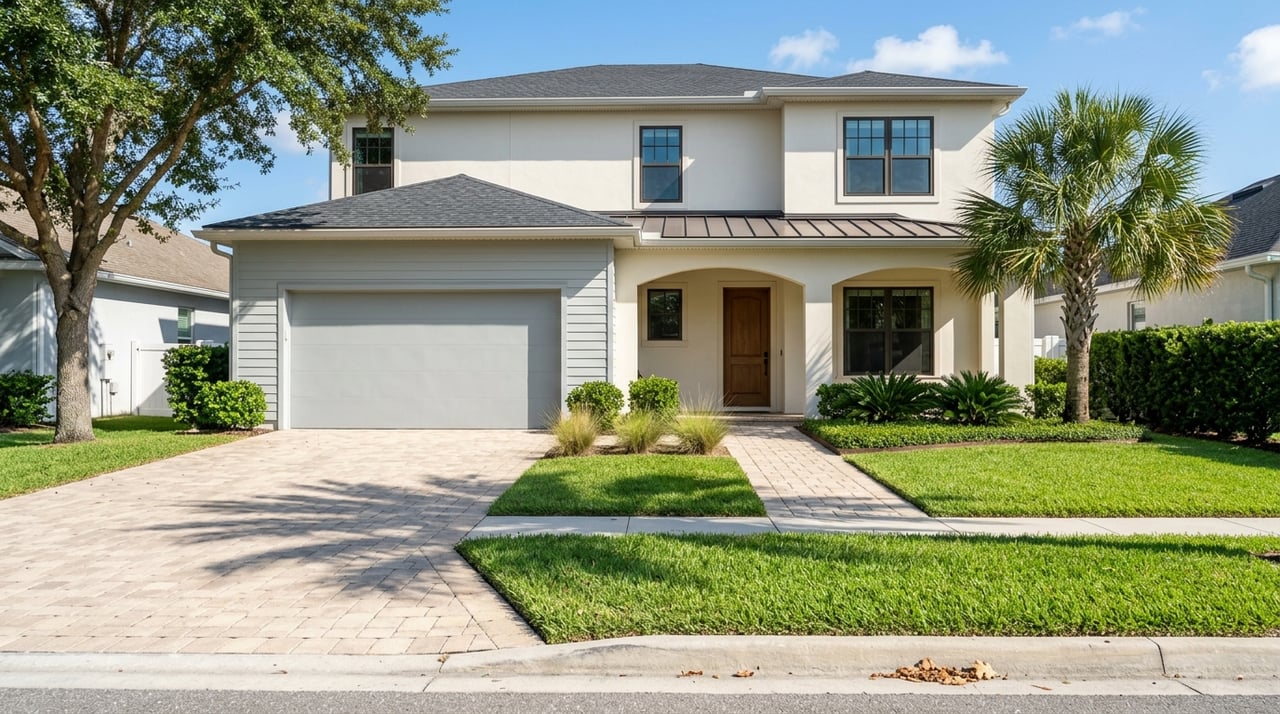
If you are thinking about selling in New Tampa, one question matters more than almost anything else: how do you avoid leaving money on the table in a market that rewards preparation, not guesswork? That is the challenge many sellers face right now. You want a smooth sale, a strong price, and as few surprises as possible. This guide walks you through what to do before you list, how to price smartly, and what to expect from contract to closing in New Tampa. Let’s dive in.
Know the New Tampa market
Selling your home starts with understanding the kind of market you are entering. In the 33647 area, homes sold for an average of 1.83% below asking in March 2026, with a median of 67 days on market and 359 homes for sale. Reported pricing was also closely grouped, with median listing prices around $449,900 and median sale prices around $450,000 in early 2026.
That points to a balanced market, not a market where almost any home sells fast at any price. Buyers have options, and they tend to negotiate. For you, that means timing is less about picking the “perfect month” and more about listing only when your home is fully ready, competitively priced, and supported by clean paperwork.
Price for today, not yesterday
One of the biggest mistakes sellers make is anchoring to an old peak price, a neighbor’s standout sale, or an online estimate. The Hillsborough County Property Appraiser makes clear that market value is based on actual market activity and similar sales, along with factors like location, size, and condition. In a neighborhood-driven area like New Tampa, that makes recent local comps especially important.
A smart price should reflect homes that are physically similar, nearby, and recently sold. Buyers, appraisers, and lenders all look at that same basic logic. If your home is priced above what the local comp set supports, you may get fewer showings, longer market time, and more pressure to reduce later.
Why appraisals matter
Even if a buyer agrees to your price, the appraisal can still shape the outcome. If the appraisal comes in below the contract price, buyers often ask the seller to lower the price, and in some cases they may be able to cancel depending on the contract terms. That is why pricing with appraisal reality in mind is just as important as pricing for buyer interest.
In practical terms, that means your best pricing strategy is not optimistic guesswork. It is a careful review of recent comparable sales, current competition, upgrades, condition, and lot characteristics. In New Tampa, subdivision-level detail can make a real difference.
Prep your home before photos
In this market, the homes that feel ready tend to perform better than the homes that look like they still need work. Buyers notice visible issues quickly, and Florida inspection standards focus on the visible and readily accessible condition of installed systems and components. If something looks neglected, buyers may assume there are bigger issues behind it.
That is why your pre-listing phase should be treated like a repair and document phase. The goal is simple: remove avoidable objections before buyers ever walk in the door. That can help your home show better, inspect better, and negotiate better.
Focus on roof and moisture issues
In Florida, roof-related concerns deserve early attention. Inspection standards specifically include roofing materials, flashings, roof penetrations, roof drainage, attic ventilation, and attic insulation. If you have roof stains, gutter issues, drainage problems, or signs of attic moisture, it is wise to address them before listing.
Moisture is another major concern in Tampa Bay homes. Too much moisture can lead to mold, and water should be managed away from the home with proper grading, working downspouts, and effective roof and flashing details. If your home has visible stains, active leaks, or caulk failures, those issues can become red flags during showings and inspections.
Watch for termite-related warning signs
Florida sellers should also pay attention to termite risk, especially where moisture has been a problem. UF/IFAS notes that subterranean termites are the most destructive termite type in Florida, and dampwood termite issues are associated with free water sources like roof leaks and exposed wet wood. In other words, moisture problems can create more than one layer of concern.
You do not need to panic over every small issue, but you do want to be proactive. If there are signs of damage, leaks, or chronic dampness, handling them early can make the sale process cleaner.
Use a practical pre-listing checklist
Before you go live, it helps to work through a simple checklist focused on the issues buyers and inspectors often notice first.
- Repair roof leaks and clean gutters.
- Make sure downspouts move water away from the home.
- Address moisture stains, failed caulking, and any active mold conditions.
- Service HVAC and check for visible mechanical issues.
- Review attic ventilation if there have been heat or moisture concerns.
- Gather permits, final inspections, warranties, and repair receipts for major work.
- Verify flood zone and insurance information early.
- Save any records related to prior flood claims or flood assistance.
This kind of prep does more than improve presentation. It also helps reduce last-minute scrambling once a buyer starts asking detailed questions.
Get your paperwork ready early
Florida sellers should expect a front-loaded paperwork process. Several disclosures may need attention at or before contract execution, including the required property-tax disclosure summary and the state flood disclosure. If your home is in an HOA, the buyer must receive the HOA disclosure summary before signing, and missing that step can create contract problems.
If the property is a condo, the resale package is more extensive and includes documents like bylaws, rules, financial statements, budget materials, and a FAQ document. If your home has known sanitary sewer lateral defects, those must also be disclosed before contract. The more organized you are upfront, the smoother the transaction tends to be later.
Why permit records matter
Permit paperwork is often overlooked until a buyer, lender, or title company asks for it. If you added a roof, remodeled part of the home, or completed exterior work such as siding or stucco improvements, it helps to have permits and final approvals ready. Having that file prepared can save time and reduce uncertainty during the under-contract phase.
Talk about flood risk early
Flood questions can come up even when a home has never had visible water inside. FEMA flood maps are the official flood-hazard reference, and the City of Tampa notes that standard homeowners insurance usually does not cover flood damage. That makes early verification important for both you and your buyer.
If your property has had a prior flood claim or flood assistance, keep that documentation accessible. Florida’s flood disclosure asks about both. Being clear and organized early can help avoid delays and confusion once offers come in.
Expect negotiation after you list
Because New Tampa is operating in a balanced market, your list price is not the finish line. It is the starting point for buyer response. If showings are light or feedback points to condition or price concerns, quick adjustments may matter.
This is also why overpricing can backfire. In a market where homes are already selling slightly below asking on average, a home that starts too high may sit longer and invite more aggressive negotiation. A well-prepared, well-priced home usually puts you in a stronger position than a home that launches with too much cushion built in.
Understand the contract-to-closing timeline
Once your home goes under contract, the process still has several moving parts. Mortgage timelines are not instant. CFPB data show a median of 44 calendar days from application to closing, with most loans falling between 35 and 57 days.
That means the under-contract period is often a month or more of inspections, appraisal, financing, title work, and document review. Buyers usually receive the first Closing Disclosure about six calendar days before closing, and by law they must receive it at least three business days before consummation.
What happens at closing
In Hillsborough County, the clerk records the original signed and notarized deed and collects recording-related fees. The Florida Department of Revenue says deeds transferring Florida real property are generally subject to documentary stamp tax at recordation. While much of the closing process happens behind the scenes, it is helpful to know that timing depends on both lender steps and recording steps.
Follow a simple seller roadmap
If you want a practical way to think about the process, break it into three phases.
Phase 1: Pre-listing
This is the time to repair visible issues, clean up deferred maintenance, gather documents, and verify anything related to flood history, permits, or disclosures. Your goal is to remove friction before buyers and inspectors start looking closely.
Phase 2: Active listing
This is where pricing meets the market. You watch showing activity, feedback, and how your home compares to current competition. In New Tampa, this phase works best when pricing is tied to recent local comps and your home is already photo-ready.
Phase 3: Under contract
This phase is all about execution. Appraisal, inspection responses, lender timelines, disclosure delivery, and title coordination all matter. A clean file and a realistic price can make this stage much easier.
Selling a home in New Tampa is not just about putting a sign in the yard and waiting. It is about combining smart prep, accurate pricing, and organized follow-through. If you want a responsive, local, bilingual real estate partner to help you navigate each step, connect with TQReal.com.
FAQs
What does the New Tampa housing market mean for home sellers?
- New Tampa is acting like a balanced market, which means buyers have options and sellers should focus on strong preparation, realistic pricing, and clean presentation rather than expecting an instant bidding war.
How should you price a home in New Tampa?
- You should base pricing on recent comparable sales, location, size, condition, and current competition, not on emotion, older peak values, or a neighbor’s standout sale.
What repairs should sellers handle before listing a New Tampa home?
- Sellers should focus on visible issues that often affect buyer confidence and inspections, especially roof leaks, drainage problems, moisture stains, mold concerns, HVAC issues, and attic ventilation problems.
What disclosures do Florida home sellers need before contract?
- Florida sellers may need to provide a flood disclosure, a property-tax disclosure summary, sewer lateral defect disclosure if applicable, and HOA or condo-related documents when those communities apply.
How long does it take to close after a New Tampa home goes under contract?
- A financed sale often takes several weeks, with mortgage closings commonly landing around 44 calendar days from application to closing, though timelines can vary.
Why should New Tampa sellers gather permit records before listing?
- Permit records, final inspections, warranties, and repair receipts can help answer buyer, lender, or title questions early and reduce delays during the contract period.