What comes to mind when you think about Clearwater? For many people, it is the beach first. But if you are thinking about buying a home, relocating, or simply learning what daily life looks like here, the bigger story is what happens beyond the shoreline. From downtown gathering spots to trails, parks, housing choices, and practical day-to-day mobility, Clearwater offers much more than a vacation vibe. Let’s dive in.
Clearwater Life Starts Downtown
If you want to understand everyday living in Clearwater, start with downtown. The city describes downtown Clearwater as its urban core and heart, with redevelopment focused on creating a denser, more livable area instead of a district built only for visitors.
That matters if you are comparing Clearwater as a place to visit versus a place to live. A true resident lifestyle depends on where you can run errands, meet friends, attend events, and enjoy public spaces year-round. Downtown plays a big role in that daily routine.
Coachman Park Anchors Daily Activity
Coachman Park is one of the clearest examples of Clearwater’s local lifestyle. Set in the heart of downtown next to the Main Library and harbor marina, it offers wide green space, paved walking trails, a playground, a splash pad, event space, and a major music venue.
For residents, that means you do not have to head to the beach to enjoy an outdoor afternoon. You can take a walk, bring kids to the playground, catch a concert, or spend time near the water without making the beach your whole plan.
A Walkable Pocket in the City
Clearwater is not uniform in how walkable it feels. The most pedestrian-friendly area is downtown, especially around Cleveland Street, Coachman Park, and the harbor marina. The city notes that dining spots and boutiques are a short walk from Coachman Park, which helps make this part of Clearwater feel active and connected.
Downtown is also supported by year-round civic and cultural programming. That steady activity helps reinforce that Clearwater is not only seasonal. It has a local rhythm that continues well beyond tourist peaks.
Parks and Trails Shape Everyday Living
One of the best parts of living in Clearwater beyond the beach is how much outdoor space is woven into daily life. The city’s park and trail system gives you multiple ways to stay active, enjoy nature, and get around.
For some buyers, this is a major quality-of-life factor. If you want options for walking, biking, dog outings, or low-key weekend plans, Clearwater has a strong network of public spaces to explore.
Trails Support Recreation and Mobility
Clearwater’s trail system includes the Pinellas Trail, Ream Wilson Clearwater Trail, Courtney Campbell Trail, and Duke Energy Trail. These are not just scenic extras. The city presents them as part of daily mobility as well as recreation.
The Courtney Campbell Trail provides a route between Clearwater and Tampa, while the Ream Wilson Trail connects beach-to-bay neighborhoods. The Pinellas Trail also serves as a countywide rail-trail for walking, jogging, skating, and biking, and the city regularly inspects its local trail sections.
Parks Offer More Than Beach Access
Clearwater’s park system gives you variety that goes well beyond waterfront sand. Moccasin Lake Nature Park is a 54-acre preserve with trails and boardwalks. Lake Chautauqua Park offers both paved and natural trails.
Crest Lake Park includes a playground, dog parks, adult exercise equipment, and an arboretum. Cooper’s Bayou Park adds paved walking trails and a kayak launch. Together, these spaces make it easier to imagine a full outdoor lifestyle that does not depend on living directly at the beach.
Getting Around Clearwater Day to Day
If you are considering a move, transportation matters just as much as lifestyle. Clearwater does offer transit and regional access, but it helps to understand that the system is corridor-based rather than a full rail network or citywide grid.
In other words, your day-to-day convenience can vary depending on where you live. That is why location and routine should be part of your home search from the start.
Transit Options Exist, but Planning Helps
The city says residents can use PSTA, Jolley Trolley, and the Clearwater Ferry. PSTA Route 60 connects downtown Clearwater’s Park Street Terminal with Clearwater Mall, and PSTA also operates express service to downtown Tampa, including the 200 Clearwater Express.
The Jolley Trolley Coastal Route connects Downtown Clearwater with Dunedin, Palm Harbor, and Tarpon Springs. The Clearwater Ferry connects Clearwater, Clearwater Beach, and Dunedin. These options can be useful, but they work best when your home location lines up with the corridors you actually use.
Future Transit Improvements Are Coming
PSTA is building a new Clearwater Station at Court Street and Myrtle Avenue next to the Pinellas Trail and new City Hall. Completion is planned for late 2026 or early 2027.
For buyers watching long-term convenience and downtown growth, that is worth noting. Transit investments often shape how connected an area feels over time.
Parking Is Part of the Local Routine
In Clearwater, parking is something residents often have to think about. The city has separate guidance for beach parking, downtown parking, Coachman Park event parking, EV charging, resident discounts, and pay-by-text parking.
That does not mean parking is impossible. It simply means your daily experience may depend on where you live, where you go most often, and how much you want to drive versus walk, bike, or use transit.
Housing Choices Across Clearwater
Clearwater appeals to different types of buyers because its housing stock is not one-size-fits-all. The city’s housing assessment shows a mix of single-family homes, attached homes, multifamily properties, and other housing types.
In the study area, 44% of occupied housing units were single-family detached, 6% were single-family attached, 43% were multifamily, and 7% were other housing types. That is a meaningful split if you are deciding between a lower-maintenance condo lifestyle and a more traditional detached home.
Where Single-Family and Multifamily Tend to Cluster
Location plays a big role in what kind of housing you are most likely to find. According to the city’s housing assessment, single-family detached homes are more common north and south of downtown, along the northern Gulf Coast, and in the northeast part of the city.
Multifamily housing is more common near US-19, near the water, and near downtown. That pattern can help you narrow your search based on how you want to live, not just what type of home you want to buy.
Condo Living vs. Detached Home Living
For many buyers, Clearwater offers two very different day-to-day experiences. A condo or multifamily setting near downtown or the water may appeal if you want easier upkeep and closer access to walkable areas or waterfront activity.
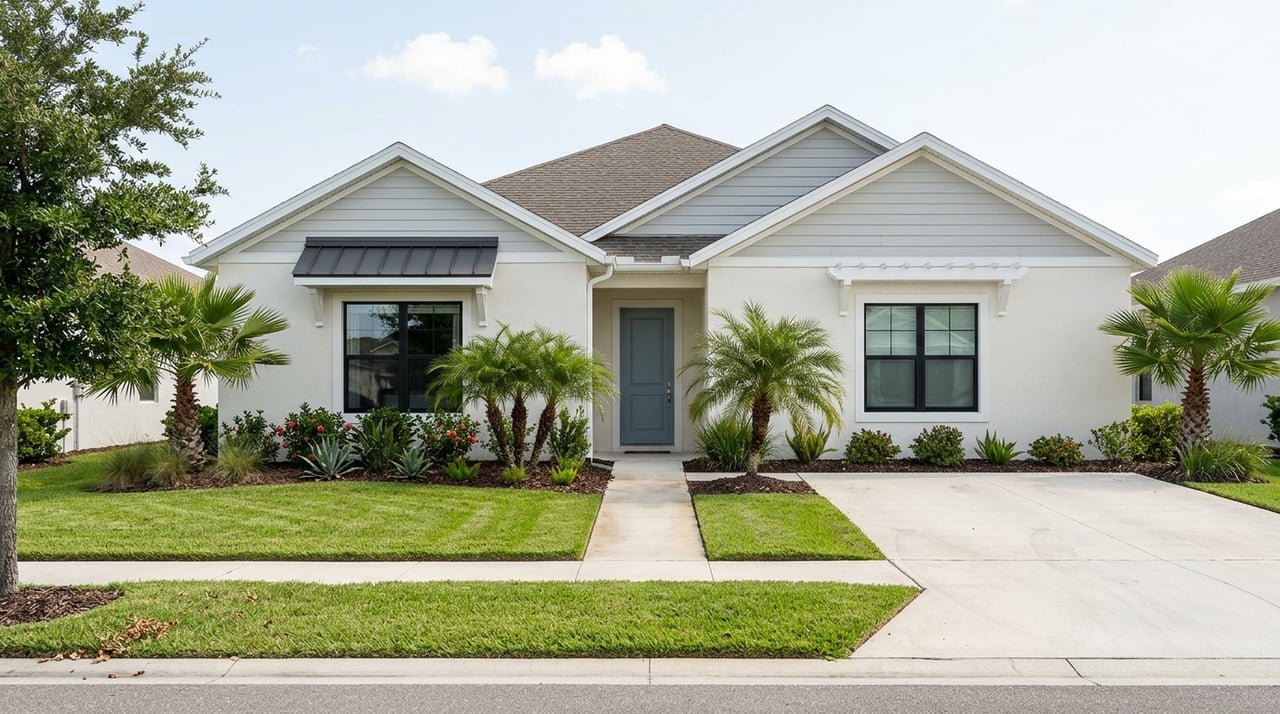
A detached home may appeal more if you want a neighborhood feel with a yard-oriented setup. Because Clearwater has both, your decision often comes down to your routine, budget, and maintenance preferences rather than the city itself being limited to one style of living.
Price Context Matters
The U.S. Census Bureau reports a median value of $361,300 for owner-occupied housing units in Clearwater for 2020 through 2024. That number is not a price tag for every property, but it is a useful reference point when you start comparing inland homes, downtown condos, and waterfront options.
For value-conscious buyers, this is where neighborhood-level guidance becomes especially important. Two homes in Clearwater can offer very different lifestyles and ownership costs depending on location, property type, and building setup.
Flooding and Coastal Realities
Living near the coast comes with trade-offs, and Clearwater is no exception. The city notes that Clearwater sits on the highest coastal bluff in Florida, but it also warns that low-lying coastal areas can still flood during king tides and storm events.
That is why it is smart to treat flood exposure as a property- and neighborhood-level question. You should not assume every part of Clearwater behaves the same way.
Check Flood Information Early
Clearwater provides flood-zone maps, floodplain information, and flood-insurance guidance for individual properties. The city is also working to reduce flooding impacts and improve long-term resilience.
Even so, buyers should review flood-zone and elevation data early in the process, especially when comparing homes near the water or in lower-lying areas. Heavy rain, king tides, and storm events can affect local conditions, so this is an important part of making a confident decision.
Why Clearwater Appeals Beyond the Beach
Clearwater’s identity is broader than its resort-city image. The city’s own materials frame it as a place to live, work, shop, and play, and that comes through in the mix of downtown amenities, neighborhood housing, parks, trails, and transportation choices.
If you are thinking about making a move here, the real question is not whether Clearwater has beach appeal. It does. The better question is what kind of daily lifestyle fits you best, and which part of Clearwater supports it.
Whether you are looking for a condo near downtown activity or a single-family home with a different pace, Clearwater offers more variety than many buyers expect. If you want local guidance as you compare neighborhoods, housing types, and day-to-day convenience, TQReal.com is here to help.
FAQs
What is daily life in Clearwater like beyond the beach?
- Daily life in Clearwater often centers on downtown, local parks, trails, neighborhood housing areas, and practical transportation options rather than the beach alone.
What part of Clearwater is most walkable for residents?
- Downtown Clearwater, especially around Cleveland Street, Coachman Park, and the harbor marina, is described by the city as the most pedestrian-friendly pocket.
What types of homes are common in Clearwater?
- Clearwater has a mix of housing, including single-family detached homes, attached homes, multifamily properties, and many condo-style living options.
Where are condos and multifamily homes more common in Clearwater?
- According to the city’s housing assessment, multifamily housing is more common near US-19, near the water, and near downtown.
Is Clearwater a good fit if you want trails and parks?
- Clearwater has an extensive park and trail network, including the Pinellas Trail, Ream Wilson Clearwater Trail, Courtney Campbell Trail, Moccasin Lake Nature Park, Crest Lake Park, and more.
What should buyers know about flooding in Clearwater?
- Buyers should review flood-zone maps, floodplain information, and elevation details for any property they are considering because flood exposure can vary by neighborhood and location.