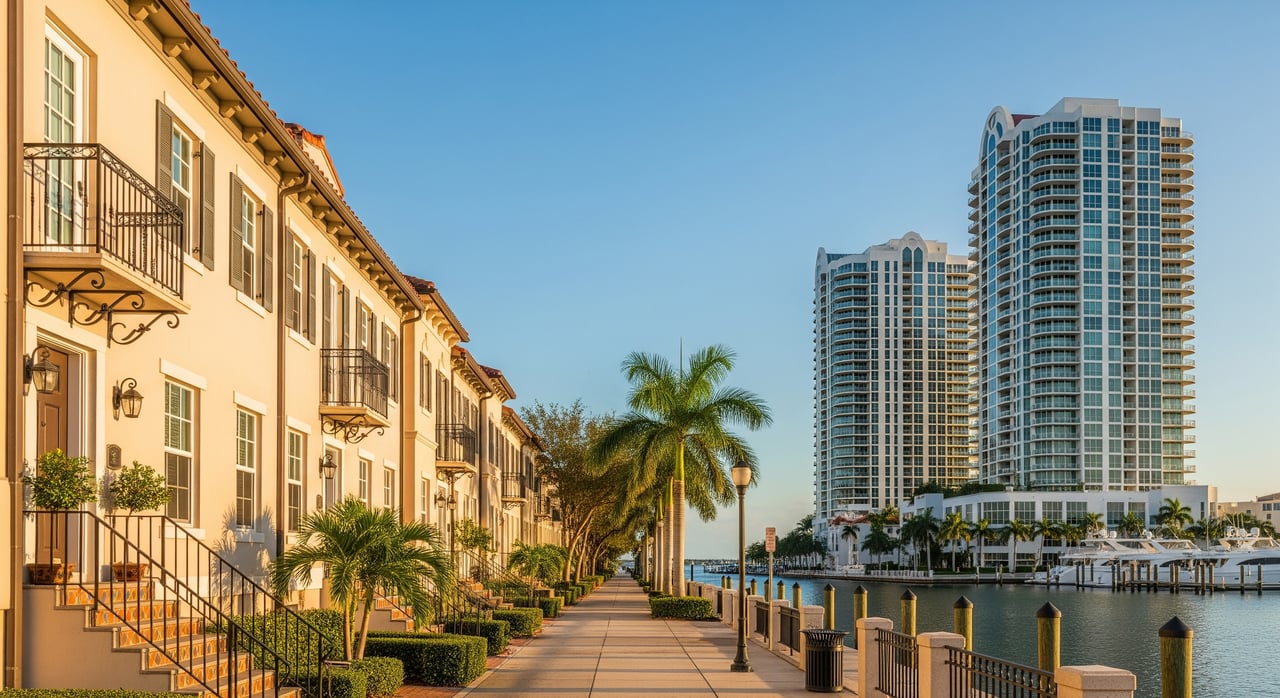
Condo or townhome in St. Petersburg? If you love the urban energy of downtown and the pull of the water, you are likely weighing both options. Each offers a different mix of fees, maintenance, insurance, and lifestyle. In this guide, you will learn how condos and townhomes compare in Pinellas County, what to check before you buy, and how to search smarter. Let’s dive in.
Condo vs townhome basics
In St. Petersburg and the nearby beach towns, you will see high-rise waterfront condos, mid-rise and garden-style condo communities, and a growing number of attached townhomes. Many look similar from the street, but the form of ownership and the association rules can be very different.
- Condos: You own the interior of your unit plus a share of the common elements. An association usually maintains the exterior, structure, elevators, and shared spaces. For a helpful overview of how Florida condominiums work, review the Florida DBPR resource on condominiums.
- Townhomes: Some are fee-simple, where you own the structure and land and may handle more of the exterior maintenance. Others are condominium-titled townhouses, where the association maintains the exterior. Always confirm the title type and association responsibilities.
Local micro-markets matter. Downtown St. Pete favors walkable, amenity-rich condo buildings, while attached townhomes often cluster near urban corridors and residential pockets with a house-like feel. Along Tampa Bay and Boca Ciega Bay, coastal factors like wind, salt exposure, and flood zones affect costs and insurance for both options.
How they differ day to day
Ownership and HOA role
- Condo: The association’s role is broad. It typically covers the building structure, roof, exterior, and common systems, plus shared utilities and amenities.
- Townhome: The scope varies. In fee-simple communities, the HOA may be lighter, focusing on landscaping and amenities. In condo-titled townhomes, the association may cover roofs and exteriors.
Monthly fees and what they include
- Condo fees can range widely. High-rise waterfront towers with elevators and full services usually have higher monthly fees, while smaller or less amenitized buildings may be lower.
- Townhome fees are often lower on average than full-service condos, but that is not guaranteed. If the association covers roofs and exteriors, fees can be higher.
Always compare line items. Ask what is included, such as water, trash, cable or internet, reserves, and insurance contributions.
Maintenance responsibility
- Condos typically limit your maintenance to the interior of your unit. The association handles the exterior and common elements.
- Townhomes may require you to maintain the roof, exterior, driveway, and yard if fee-simple. If the townhome is condo-titled, the association may take on those items. Check the declaration and CC&Rs.
Amenities and lifestyle fit
- Condos often offer pools, gyms, security, and staffed lobbies. They suit a lock-and-leave lifestyle with strong urban walkability.
- Townhomes feel more like a house. You usually have a private entry, more storage, and easier access to outdoor space or a garage.
Resale and market cycles
- Condos can be more sensitive to changes in financing and insurance, and they may see tighter rules on rentals. Prime downtown and waterfront locations remain popular.
- Townhomes appeal to buyers who want a low-maintenance alternative to single-family homes. Resale quality depends on the association’s health and the balance of owner versus association responsibilities.
Financing: what lenders look for
If you plan to finance a condo, your lender will review the project’s eligibility. Underwriters look at the association’s budget, reserves, owner-occupancy ratio, delinquency rates, litigation, and more. Many lenders follow Fannie Mae condominium project eligibility, and these reviews can affect your loan terms and timing.
- FHA and VA loans: Condos often need to be on an approved list or qualify through specific approval paths. Check status early if you plan to use FHA or VA financing. You can review HUD’s FHA condominium policy to understand how approvals work.
- Townhomes: Fee-simple townhomes usually follow standard single-family underwriting without a condo project review. If the townhome is condominium-titled, expect a similar project review to a condo.
Tip: If condo financing is part of your plan, verify project approval and association financials before you write an offer.
Insurance and flood in Pinellas County
Condos: master policy and HO-6
Condo associations carry a master policy that insures the building and common elements. Your personal policy is usually an HO-6, which covers your interior finishes, personal property, liability, and loss assessment. Ask the association for the master policy coverage type and limits so you can tailor your HO-6 correctly.
Townhomes: HO-3 or HO-6 depending on title
Fee-simple townhomes typically need a full dwelling policy, such as HO-3 or HO-5, plus flood if required. If the association insures exterior elements in a condo-titled townhome, your policy may look more like an HO-6. Always verify the boundary of coverage with the association and your insurance agent.
Flood risk and maps
Lenders require flood insurance if the property is in a Special Flood Hazard Area. Check the property’s status using FEMA’s Flood Map Service Center and ask for elevation certificates when available. For a broad overview of coverage basics and limits, review the NFIP flood insurance overview.
Coastal properties face higher wind and storm exposure. Ask insurers about windstorm deductibles and any separate wind-only coverage that may apply to your building.
Reserves, assessments, and building safety
Healthy reserves help associations plan for roof replacements, elevator overhauls, concrete restoration, and other big-ticket projects. If reserves are low, associations may levy special assessments, which can be substantial.
Florida increased scrutiny on building safety and association governance after the 2021 Surfside tragedy. Expect greater attention to structural inspections, reserve studies, and repair plans, especially for older or coastal buildings. Buyers should request recent inspection or engineering reports when available.
Florida law requires clear financial disclosure to buyers in condominium resales, including budgets and reserve information. You can read the framework in Florida’s Condominium Act, Chapter 718. Ask for the latest budget, reserve schedules, meeting minutes, and any notices of upcoming assessments.
Rentals and short-term rental rules
Both city rules and association rules apply in St. Petersburg and across Pinellas County. Many condo associations either limit or prohibit short-term rentals. Townhome communities vary widely. Before you buy, check the HOA’s leasing policy and then verify municipal requirements for registration, licensing, and safety standards. The City of St. Petersburg website outlines local permitting and rental guidance.
If you plan to rent part-time or full-time, confirm minimum lease periods, any caps on the number of leases per year, and whether there are waitlists or moratoriums on new rentals.
Which is right for you?
Choose a condo if you want:
- A lock-and-leave lifestyle with minimal day-to-day maintenance.
- Urban walkability, a staffed lobby, elevator access, and building amenities.
- Association-managed exterior repairs and shared utilities.
Choose a townhome if you want:
- A house-like feel with a private entrance and often more storage or a garage.
- Direct control over your exterior in fee-simple ownership, or a blend of control and convenience in condo-titled townhomes.
- Potentially lower monthly fees compared with full-service high-rise condos, depending on what the association covers.
Your best fit depends on how you trade monthly fees versus maintenance responsibility, your financing plan, and your comfort with association rules.
Buyer due diligence checklist
Use this list to focus your review before you write an offer:
- Confirm title type: fee-simple townhome or condominium-titled unit.
- Association documents: declaration, bylaws, CC&Rs, latest budget and financials, reserve study, and current reserve balance.
- Meeting minutes: review the last 12 months for special assessments, deferred maintenance, litigation, and insurance claims.
- Insurance: master policy type and limits, fidelity bond if required. Get HO-6 or dwelling quotes plus flood quotes if applicable.
- Building condition: recent inspection or engineering reports, roof age, elevator records, waterproofing or concrete restoration history for coastal structures.
- Flood and elevation: verify FEMA flood zone and obtain elevation certificates.
- Rental and use rules: leasing terms, minimum lease periods, caps, pet and parking rules.
- Financing checkpoints: confirm FHA, VA, Fannie, or Freddie eligibility if you plan to use those loans.
- Taxes and homestead: check current assessments and exemptions with the Pinellas County Property Appraiser. Florida’s homestead rules and Save Our Homes portability may apply if you will occupy the home.
Smart MLS/IDX search tips
When you search online, use filters that highlight the biggest differences between condos and townhomes:
- Property type: run separate searches for Condo and Townhouse/Townhome.
- Ownership type: if available, filter or keyword for Fee Simple versus Condominium.
- Monthly HOA/condo fee: set ranges to compare services and maintenance intensity.
- Year built and building stories: isolate low-rise townhomes versus mid or high-rise condos.
- Flood zone or waterfront: include or exclude Special Flood Hazard Areas.
- Leasing rules: use keywords for minimum lease periods or “short-term rental allowed” if the MLS supports it.
- Pet policy, parking, and elevator: filter for your must-haves.
- Amenities: pool, fitness, security, boat slips.
- Financing tags: FHA or VA approved condo fields, if present.
If you want a quick side-by-side experience, set two saved searches: “Urban Lock-and-Leave” for condos and “House-like, Low Maintenance” for townhomes. Then compare fees, insurance notes, and rules across both lists.
What to budget beyond the mortgage
- Association fees: Match the fee level with what it covers. High service buildings can be worth it if you use the amenities.
- Insurance: HO-6 for condos or HO-3/HO-5 for fee-simple townhomes, plus flood if required.
- Special assessments: Review reserve health and planned projects. Ask about any upcoming votes.
- Utilities and services: Know what is included and what you pay separately.
Your next step
You do not have to choose between convenience and control. With the right guidance, you can find a condo or townhome that fits your budget, lifestyle, and financing plan. If you want a walkable downtown vibe, a coastal view, or a low-maintenance home that still feels like a house, I can help you compare options and navigate association documents, flood and insurance, and lender approvals.
Ready to see the best matches for you in St. Petersburg and the nearby beach corridors? Reach out at TQReal.com to get tailored listings, due diligence support, and bilingual guidance.
FAQs
What is the main difference between a condo and a townhome in St. Petersburg?
- Condos usually include interior ownership with shared building elements managed by an association, while townhomes can be fee-simple or condo-titled, which changes who maintains the roof and exterior.
How do condo association reserves and assessments affect buyers?
- Strong reserves reduce the chance of special assessments; Florida’s resale disclosures require budgets and reserve details, so review them closely under Chapter 718.
What insurance do I need for a St. Pete condo?
- Most condo owners need an HO-6 for interiors and personal property, while the association carries a master policy for the building; flood insurance may be required based on FEMA maps.
Do FHA or VA loans work for condos in Pinellas County?
- Yes, but the condo project typically must meet investor or agency standards; check Fannie Mae’s condo eligibility and HUD’s FHA condo policy early.
How do flood zones impact condos and townhomes near the water?
- Lenders require flood insurance for homes in Special Flood Hazard Areas; confirm status on FEMA’s Flood Map Service Center and get elevation certificates when available.
Are short-term rentals allowed in St. Pete condos or townhomes?
- It depends on both the association’s leasing rules and city regulations; review HOA documents and check the City of St. Petersburg website for local requirements.