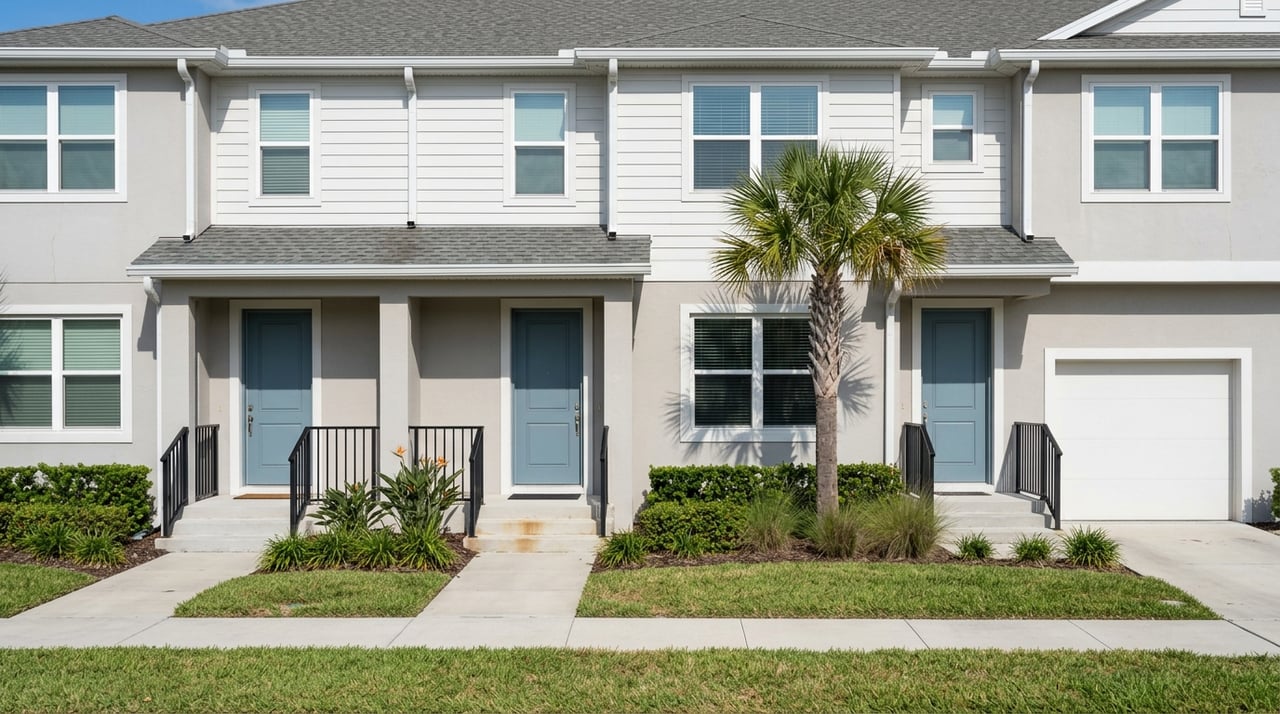
Buying your first home in Brandon can feel like a tug-of-war between budget, space, and monthly costs. You may want something more affordable than a detached house, but you also do not want surprises after closing. The good news is that condos and townhomes can offer a practical path into homeownership here, especially if you understand how fees, maintenance, and Florida rules work. Let’s dive in.
Why Brandon fits first-time buyers
Brandon is not a tiny pocket market. The community has 114,626 residents, 49,690 housing units, and a median household income of $80,980, which makes it a sizable suburban area with a broad mix of housing choices.
For first-time buyers, that matters because attached homes are part of the local market, not just a rare option. In recent Brandon listings, condos appeared around 741 to 896 square feet and roughly $125,000 to $140,000, while townhomes showed up around 1,110 to 1,240 square feet and about $172,000 to $249,999.
That price and size spread gives you a useful middle ground. If a detached single-family home feels out of reach or too high-maintenance right now, a condo or townhome may help you get into the market with a lower purchase price and less exterior upkeep.
Condos vs townhomes in Brandon
At first glance, condos and townhomes can seem similar. Both are often attached homes, both may come with community fees, and both can appeal to buyers who want a more manageable property. Still, they usually offer a different ownership experience.
What a Brandon condo often offers
In the Brandon listings reviewed, condos tended to be smaller and more budget-friendly on the front end. That can make them appealing if your top priority is keeping the purchase price lower while still building equity through ownership.
Condo living also often means less routine exterior responsibility. Under Florida condominium law, the association is responsible for common-element maintenance, and common expenses can include maintenance, repair, replacement, and protection of common elements and association property.
In practical terms, that may mean your monthly condo fee covers more than you expect. One Brandon condo example bundled water, sewer, trash, pest control, reserve funding, insurance, structure and grounds maintenance, management, and recreation-related costs.
What a Brandon townhome often offers
Townhomes in Brandon generally showed more square footage in the reviewed listings. If you want a more house-like layout, more separation between living and sleeping areas, or simply more room to grow, a townhome may feel like the better fit.
Townhome fees in the sampled Brandon listings also varied, with examples ranging from $268 to $380 per month. One townhome example bundled cable TV, common-area taxes, pool service, and structure and grounds maintenance.
That said, the word townhome describes a building style, not one single legal structure. A townhome in Brandon may be fee-simple and HOA-governed, or it may be condo-style and governed under condominium rules, so you need to review the recorded declaration to know who maintains the roof, exterior walls, landscaping, and shared amenities.
Compare the monthly cost, not just price
One of the biggest first-time buyer mistakes is focusing only on the sale price. A condo priced lower than a townhome or detached home may still cost more each month if the association fee is high.
In the Brandon examples reviewed, condo fees ranged from $281 to $450 per month, while townhome fees ranged from $268 to $380 per month. That means your true monthly housing cost should include more than your mortgage payment.
When you compare options, look at:
- Purchase price
- Monthly association dues
- Property taxes
- Insurance obligations
- Utilities that are or are not included in the fee
- Reserve funding and the possibility of special assessments
Property taxes are separate from association dues in Hillsborough County. The Property Appraiser assesses value and administers exemptions, while the Tax Collector bills and collects taxes.
Understand what association fees really mean
Association fees are not automatically a bad thing. In many cases, they pay for services and maintenance that you would otherwise handle yourself.
The key is understanding what you are getting in return. A higher monthly fee may still make sense if it covers major costs such as exterior insurance, grounds maintenance, water, trash, or pest control.
Watch for changing dues
Florida HOA disclosure language warns that assessments may change, special assessments may be imposed, and unpaid assessments can result in a lien. That is especially important for first-time buyers who are budgeting tightly.
A home that looks affordable today can become harder to carry if dues rise sharply later. This is why reviewing the budget, reserves, and disclosure documents matters just as much as touring the property.
Pay attention to reserve funding
Florida HOA law requires financial reporting and also requires a clear warning when a budget does not fully fund reserve accounts. Weak reserves can increase the chance of future special assessments.
For you, that means a lower fee is not always better. If the community has not set aside enough money for future repairs, owners may be asked to pay extra later.
Know your maintenance responsibilities
Many first-time buyers choose an attached home because they want fewer maintenance tasks. That can be a smart move, but only if you know exactly what the association handles and what remains your responsibility.
For Florida condos, the association is generally responsible for common elements and related common expenses. Condo associations must also use best efforts to maintain adequate property insurance.
At the same time, unpaid condo assessments remain the unit owner’s responsibility while they own the unit, and associations can enforce collection rights. So while the maintenance burden may be lighter, the financial obligations are still very real.
For townhomes, the answer is more case-specific. Some communities place more responsibility on the owner, while others provide broader exterior maintenance, so you should confirm the details before you commit.
Review Florida disclosures before you buy
If you are buying your first condo or townhome in Brandon, the paperwork is not just paperwork. Florida gives buyers specific disclosure rights, and those documents can tell you a lot about the property and the community.
Condo resale documents
For condo resales, the seller must provide:
- The current declaration
- Articles and bylaws
- Rules
- The most recent annual financial statement
- The annual budget
- FAQs
If those documents were not provided before contract execution, the buyer generally has 7 days after receiving them to cancel. That gives you a short but important window to review the details.
HOA community disclosures
For HOA-governed communities, there is a separate disclosure summary that must be given before contract execution. If the disclosure is missing, the contract may be voidable within 3 days after receipt.
This is one reason you should never assume all townhomes work the same way. The legal setup affects your rights, costs, and maintenance duties.
Older condo buildings need extra attention
If you are considering an older condo building in Brandon, ask more questions about building age, inspections, and reserves. Current Florida condo rules require buildings that are three stories or more to undergo milestone inspections at 30 years of age and every 10 years after that.
Florida also set structural-integrity reserve-study deadlines for certain owner-controlled condominium associations that existed on or before July 1, 2022, with deadlines tied to December 31, 2025 and some limited extension through December 31, 2026 when a milestone inspection is being completed.
Why does this matter to you? These rules can affect reserve funding, monthly dues, and the likelihood of special assessments, especially in older communities.
Check property tax basics in Hillsborough
Your monthly payment planning should also include local tax timing and exemption rules. In Hillsborough County, homestead generally requires legal domicile and occupancy as of January 1, with a March 1 filing deadline.
Taxes are normally billed November 1 and become delinquent April 1. Hillsborough County also notes that Save Our Homes limits the assessed-value increase on a qualifying homestead to the lesser of 3% or CPI.
If you plan to make the home your primary residence, that exemption process can be an important part of your long-term budget. It is another reason to look beyond the list price when comparing Brandon condos and townhomes.
How to choose the right fit
The best choice depends on what matters most to you right now. In general, the Brandon examples suggest condos may work better for buyers who want the smallest footprint and the least routine exterior upkeep, while townhomes may fit buyers who want more space without moving up to a detached house.
A simple way to decide is to rank your priorities before you tour homes. Think about whether you care most about a lower purchase price, lower monthly costs, less maintenance, more square footage, or a more house-like feel.
A quick first-time buyer checklist
Before you make an offer, review these points:
- Confirm whether the property is legally a condo or an HOA-governed townhome
- Ask what the monthly fee covers
- Review the current budget and reserve information
- Check whether there is any history of special assessments
- Verify who maintains the roof, exterior walls, and landscaping
- Estimate property taxes separately from dues
- Ask whether the community has age-related inspection or reserve concerns
A little extra review now can help you avoid expensive surprises later. That is especially true when you are buying your first home and every dollar in your budget matters.
If you are weighing condos and townhomes in Brandon, having local guidance can make the numbers and documents a lot easier to understand. For personalized, bilingual support as you compare your options, connect with TQReal.com.
FAQs
What is the difference between a condo and a townhome in Brandon?
- In Brandon, a condo is typically governed by Florida condominium law, while a townhome may be either HOA-governed or condo-style, so you need to review the recorded declaration to see who maintains key parts of the property.
What do condo fees usually cover in Brandon?
- In reviewed Brandon examples, condo fees sometimes covered items like water, sewer, trash, pest control, reserve funding, insurance, structure and grounds maintenance, management, and recreation-related costs.
Are townhomes in Brandon always cheaper than single-family homes?
- Brandon listing examples suggest townhomes can offer a lower-price entry point than many detached homes, but your total monthly cost still depends on dues, taxes, insurance, and maintenance responsibilities.
Can HOA or condo fees increase after I buy in Brandon?
- Yes. Florida disclosure language warns that assessments may change, special assessments may be imposed, and unpaid assessments can lead to a lien.
What documents should a buyer review for a Brandon condo resale?
- A condo resale buyer should receive the current declaration, articles, bylaws, rules, the most recent annual financial statement, the annual budget, and FAQs.
How do Hillsborough County property taxes work for owner-occupants?
- In Hillsborough County, homestead generally requires legal domicile and occupancy as of January 1, with a March 1 filing deadline, while tax bills are normally issued November 1 and become delinquent April 1.